Your Yearly shots for cats images are ready. Yearly shots for cats are a topic that is being searched for and liked by netizens now. You can Find and Download the Yearly shots for cats files here. Download all royalty-free vectors.
If you’re searching for yearly shots for cats images information linked to the yearly shots for cats interest, you have come to the right blog. Our site always provides you with suggestions for viewing the maximum quality video and image content, please kindly search and locate more informative video articles and graphics that match your interests.
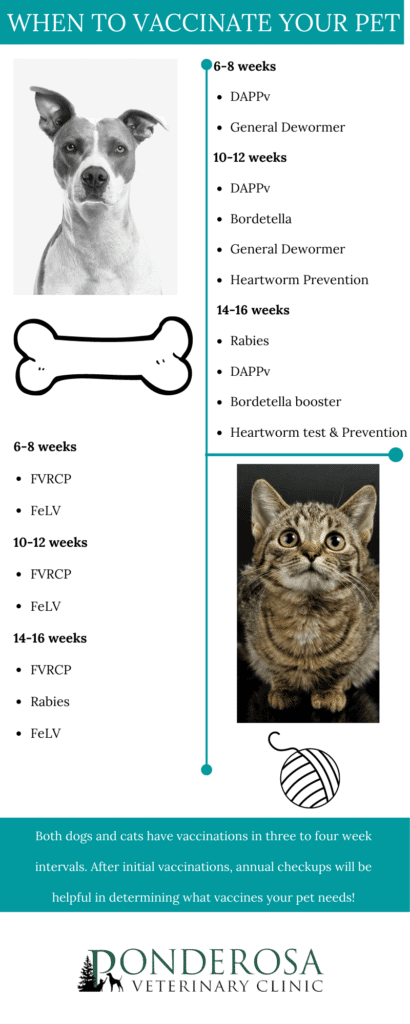
Yearly Shots For Cats. Not everyone is familiar with what vaccinations cats need on a yearly basis so if. While there are certain mandatory or core vaccines for cats there are also noncore vaccines for different lifestyles or vaccines that are only recommended during the kitten years. I do not recommend that any cat receive subsequent boosters any more often than every three years. The shots come in a series every 3 to 4 weeks.
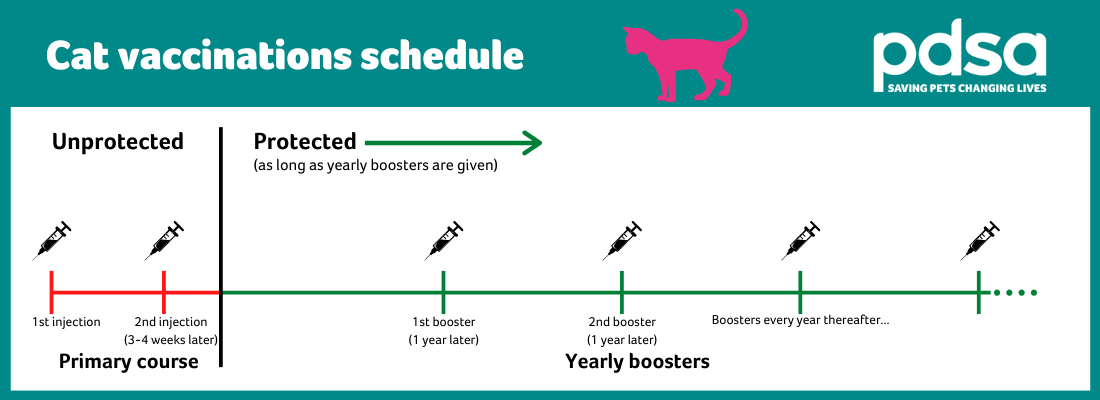 Cat Vaccines Pdsa From pdsa.org.uk
Most adult cats that received the full booster series of vaccines as kittens should be re-vaccinated every one to three years based on a lifestyle risk assessment. One dose will probably immunize cats longer than one year but legally if the cat does bite someone even a day beyond a year that cat is not considered protected adds Dr. Rabies injections used to be given yearly until a longer lasting vaccination was developed making the booster only needed once every three years. Recent studies have demonstrated that some viral vaccines may convey at least three years of immunity. It is important to thoroughly discuss your cats lifestyle with your veterinarian and determine the appropriate. Every kitten should get a booster at one year.
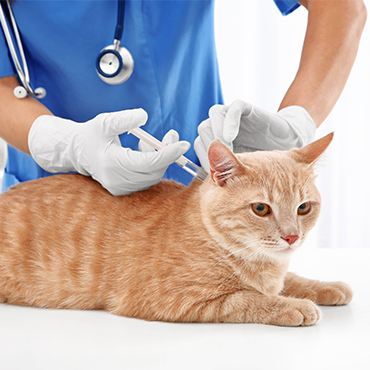
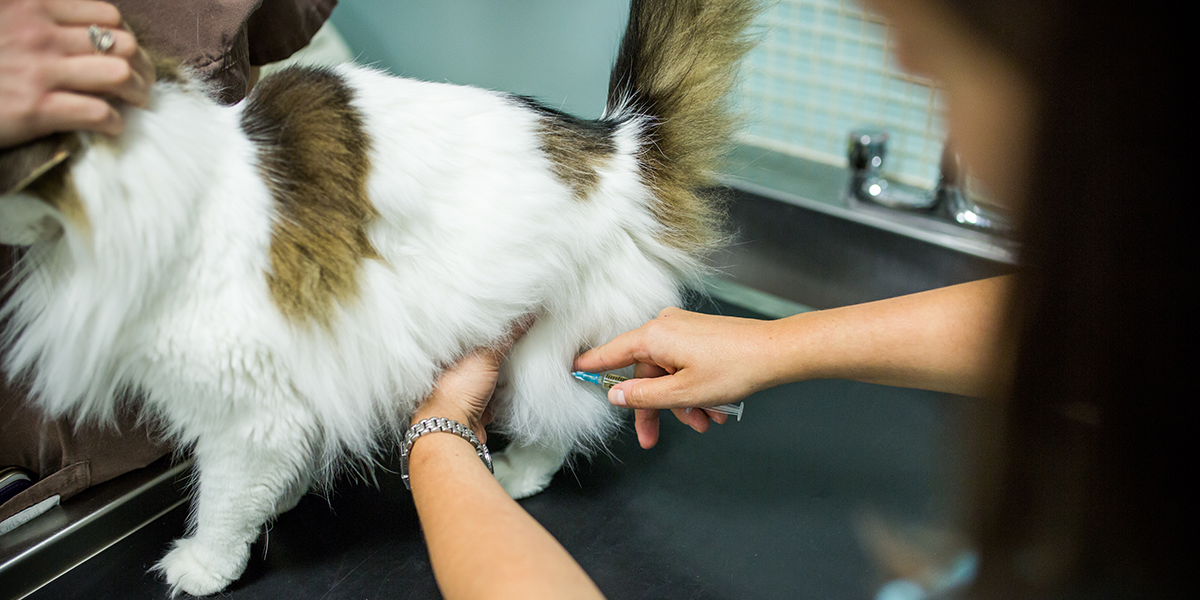
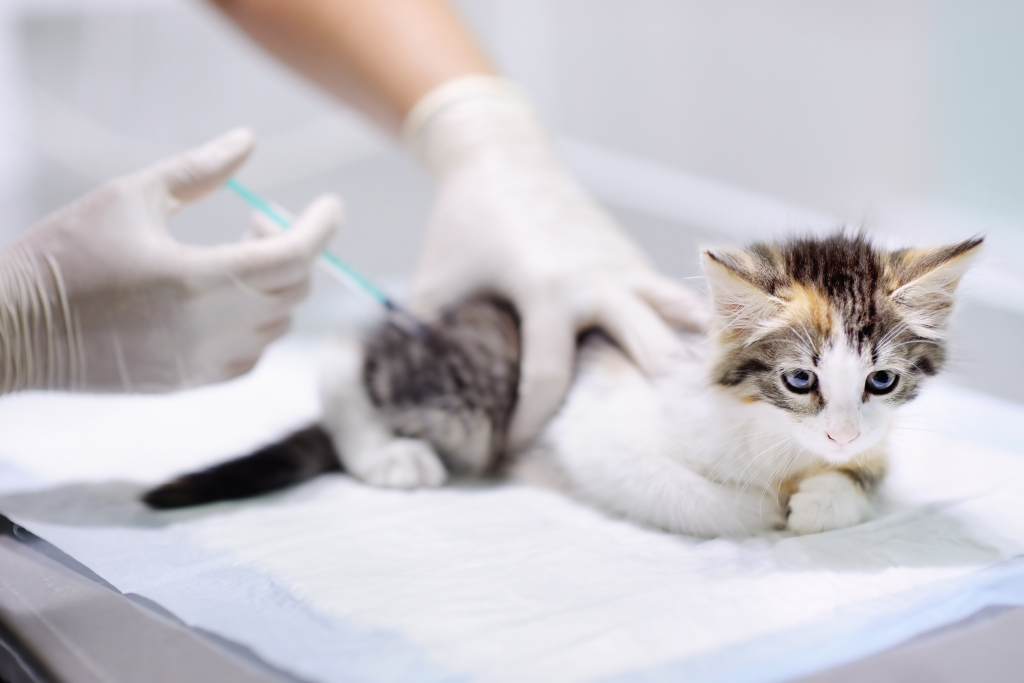
This is given under the skin at the back of the neck and is well tolerated by the vast majority of cats.
Most times these boosters are only required on a yearly basis. The type and frequency of vaccines given after that point varies considerably depending on a cats lifestyle and where you live. One dose will probably immunize cats longer than one year but legally if the cat does bite someone even a day beyond a year that cat is not considered protected adds Dr. Ford who was. This is given under the skin at the back of the neck and is well tolerated by the. Kitties need several immunizations during their first year to protect them against serious diseases.
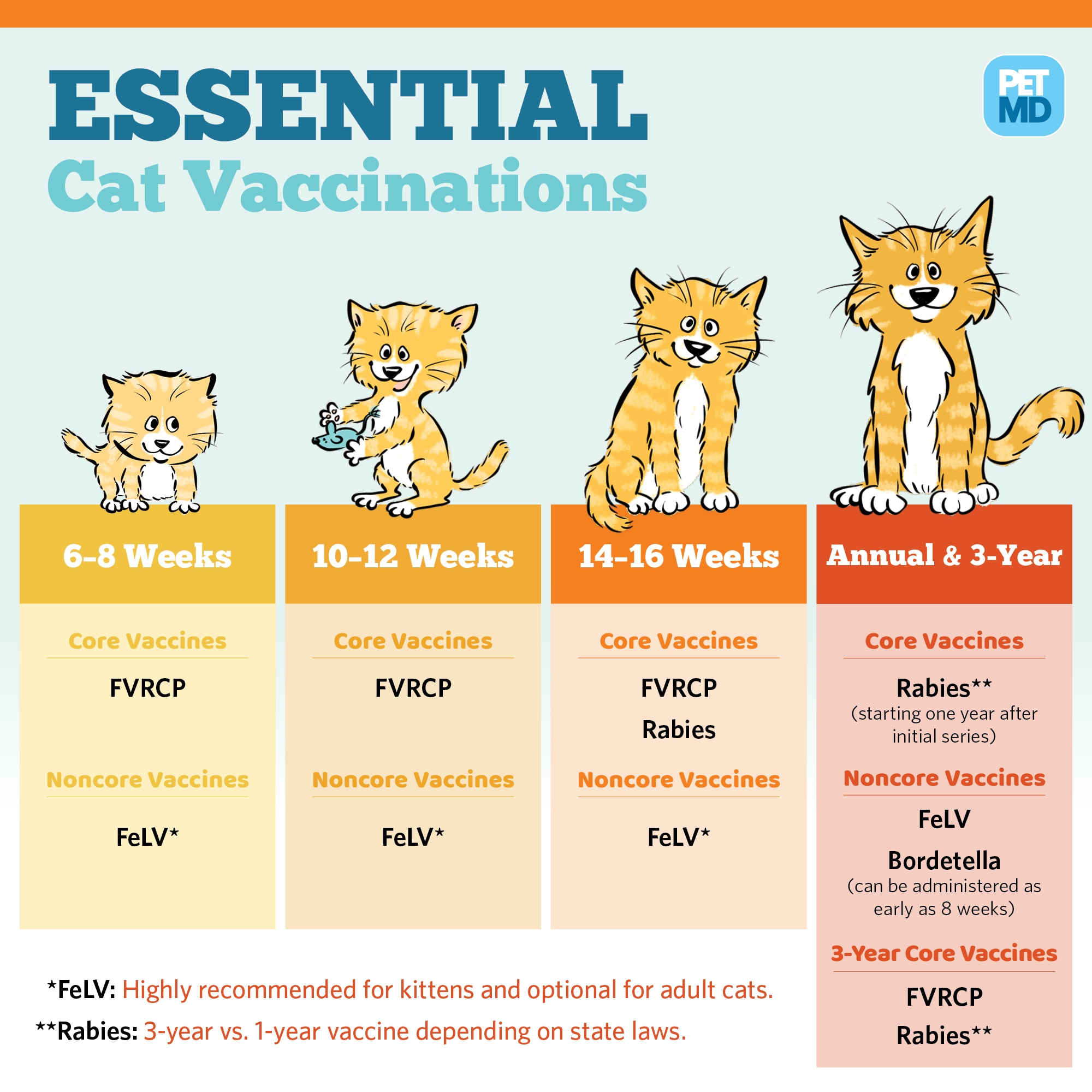 Source: petmd.com
Cats are independent intelligent and highly sociable beings. I do get rabies shots for my dogs though. Ford who was. Healthy indoor cats can wait for up to three years between boosters due to their lower-risk lifestyle. Adult cat vaccinations 1 2 3 An adult cat who has received a primary vaccination course will require the core vaccination every 1-3 years depending on the duration of immunity provided by the vaccine your veterinarian uses and the cats individual circumstances.
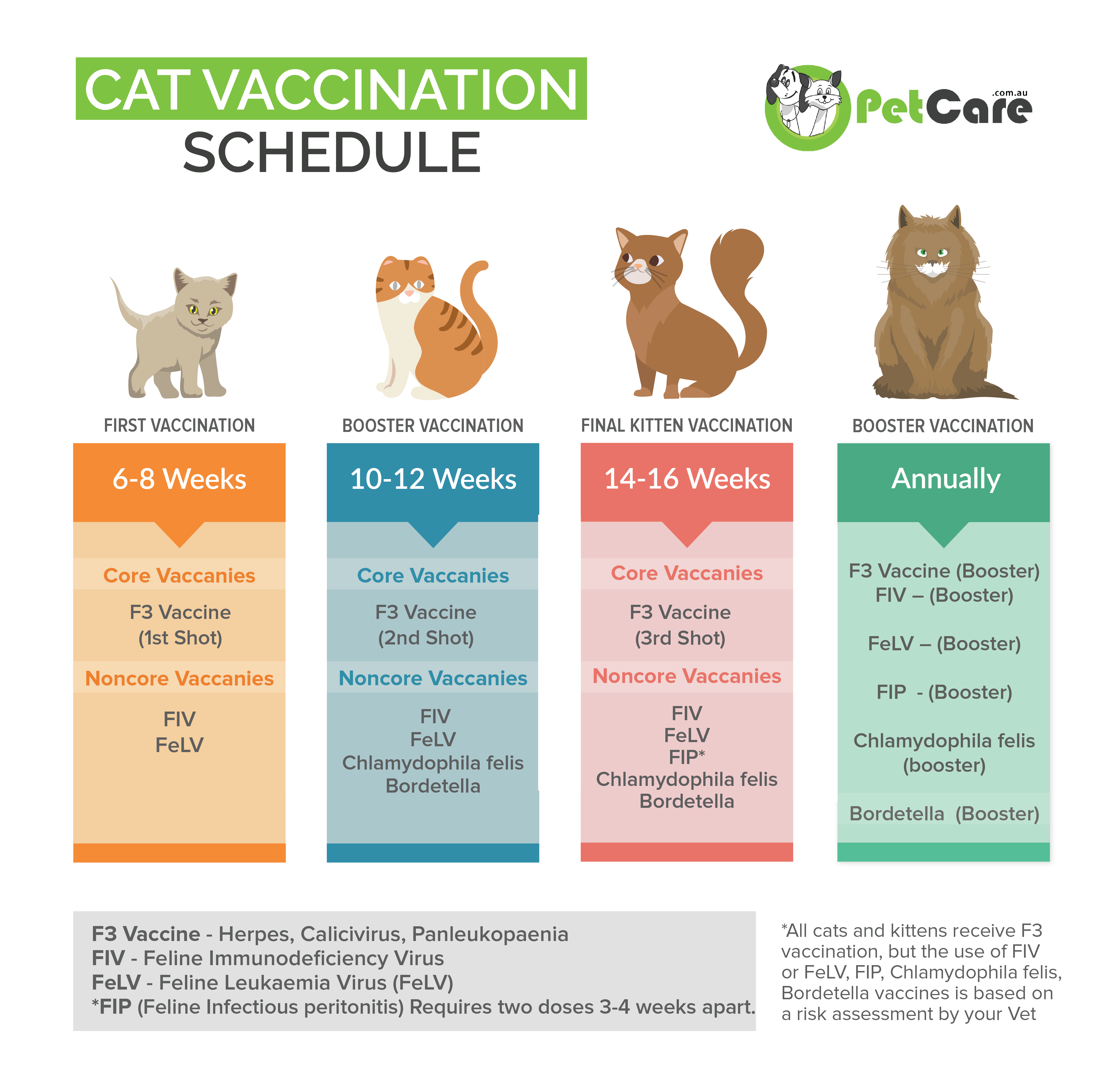 Source: petcare.com.au
For cats older than 16 weeks of age two doses of vaccine containing modified live virus MLV FHV1 FCV and FPV given 3-4 weeks apart are recommended. The other core feline vaccine protects cats against feline specific diseases. Not everyone is familiar with what vaccinations cats need on a yearly basis so if. Kitties need several immunizations during their first year to protect them against serious diseases. For indoor-only cats the recommendation is to administer the vaccine every three years.
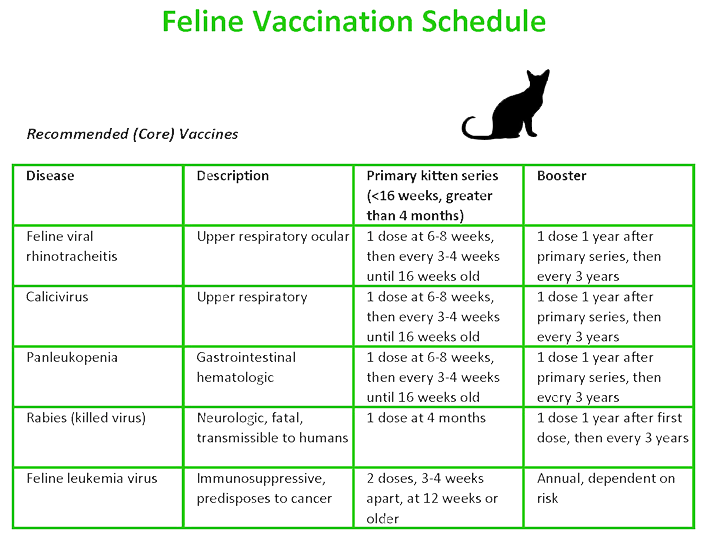 Source: kindnesscountstn.org
Most adult cats that received the full booster series of vaccines as kittens should be re-vaccinated every one to three years based on a lifestyle risk assessment. I do not recommend that any cat receive subsequent boosters any more often than every three years. This is given under the skin at the back of the neck and is well tolerated by the. Recent studies have demonstrated that some viral vaccines may convey at least three years of immunity. The appropriate interval for boosters will vary with individual circumstances and vaccine type.
 Source: chestnuthillcatclinic.com
Basic vaccine schedule for cats. It is important to thoroughly discuss your cats lifestyle with your veterinarian and determine the appropriate. This is given under the skin at the back of the neck and is well tolerated by the. This immunity may last even longer but at this time the. One dose will probably immunize cats longer than one year but legally if the cat does bite someone even a day beyond a year that cat is not considered protected adds Dr.
 Source: thesprucepets.com
I do get rabies shots for my dogs though. What shots do indoor cats need yearly. However human flu is quite different to cat flu as there are potentially hundreds of viruses that cause human flu but only the FHV-1 and FCV virus can cause cat flu. In dogs the core vaccines are distemper parvovirus hepatitis and rabies. One dose will probably immunize cats longer than one year but legally if the cat does bite someone even a day beyond a year that cat is not considered protected adds Dr.
 Source: pdsa.org.uk
Recent studies have demonstrated that some viral vaccines may convey at least three years of immunity. Why Vaccinate Cats with FVRCP Vaccine. The American Association of Feline Practitioners vaccination guideline recommends that kittens get a full series of vaccinations against panleukopenia feline herpes type 1 calicivirus feline leukemia and rabies followed by a booster one year later. For cats older than 16 weeks of age two doses of vaccine containing modified live virus MLV FHV1 FCV and FPV given 3-4 weeks apart are recommended. The exact vaccine will differ year on year depending on the vaccine schedule but all cats require vaccination against at least one disease annually.
 Source: dailypaws.com
What shots do indoor cats need yearly. If he feels a feline has the potential of contracting. Feline infectious peritonitis. Check with your veterinarian. I do not recommend that any cat receive subsequent boosters any more often than every three years.
Source: pdsa.org.uk
Not everyone is familiar with what vaccinations cats need on a yearly basis so if. There are two general groupings of vaccinations. Check with your veterinarian. The American Association of Feline Practitioners vaccination guideline recommends that kittens get a full series of vaccinations against panleukopenia feline herpes type 1 calicivirus feline leukemia and rabies followed by a booster one year later. The RSPCA Australia recommends cat containment to protect both your pet and the local wildlife.
 Source: ponderosavetclinic.com
The American Association of Feline Practitioners vaccination guideline recommends that kittens get a full series of vaccinations against panleukopenia feline herpes type 1 calicivirus feline leukemia and rabies followed by a booster one year later. In the past veterinarians recommended booster vaccinations for cats on a yearly basis. The appropriate interval for boosters will vary with individual circumstances and vaccine type. What shots do indoor cats need yearly. One dose will probably immunize cats longer than one year but legally if the cat does bite someone even a day beyond a year that cat is not considered protected adds Dr.
 Source: cleverpetowners.com
Studies have shown that most animals have immunity from the diseases they are vaccinated against for at least three years after their first booster. Healthy indoor cats can wait for up to three years between boosters due to their lower-risk lifestyle. Adult cats need shots less often usually every year or every 3 years depending on how long a vaccine is designed to last. The exact vaccine will differ year on year depending on the vaccine schedule but all cats require vaccination against at least one disease annually. Basic vaccine schedule for cats.
 Source: kittentoob.com
Check with your veterinarian. Your veterinarian is your best resource for figuring out the best vaccine routine for your feline family member but this chart will help you understand the basics. The terms F3 F5 and F6 refer to how many. The exact vaccine will differ year on year depending on the vaccine schedule but all cats require vaccination against at least one disease annually. Because they love to go on little excursions and have their own private time it is vital to protect cats and ensure they are safe from catching infectious diseases.
 Source: icatcare.org
Outdoor cats or those with compromised immunity should be vaccinated annually. Adult cats need shots less often usually every year or every 3 years depending on how long a vaccine is. Then they must be boostered a year later. Cats are independent intelligent and highly sociable beings. For cats older than 16 weeks of age two doses of vaccine containing modified live virus MLV FHV1 FCV and FPV given 3-4 weeks apart are recommended.
 Source: friendshiphospital.com
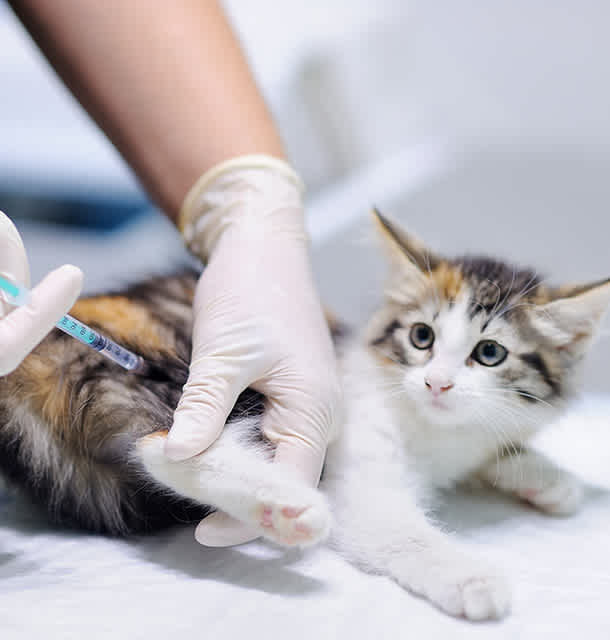
Yearly shots for cats is life shortening and as i said many veterinarians agree. After a booster at 6 months to one year revaccination is suggested every 3 years thereafter for cats at low risk of exposure. In cats they are panleukopenia calicivirus rhinotracheitis herpesvirus and rabies as required by law. That is if your cat is at higher risk for exposure to a disease the more frequent vaccination schedule every year may be recommended. One dose will probably immunize cats longer than one year but legally if the cat does bite someone even a day beyond a year that cat is not considered protected adds Dr.
 Source: smalldoorvet.com
Adult cats need shots less often usually every year or every 3 years depending on how long a vaccine is. Vaccines are combined into a single injection so your cat only has to have one needle. This is given under the skin at the back of the neck and is well tolerated by the vast majority of cats. The American Association of Feline Practitioners vaccination guideline recommends that kittens get a full series of vaccinations against panleukopenia feline herpes type 1 calicivirus feline leukemia and rabies followed by a booster one year later. According to the American Association of Feline Practitioners AAFP the core vaccines those that are recommended for ALL cats are feline panleukopenia virus FPV feline herpesvirus-1 FHV-1 and feline calicivirus FCV as well as Rabies.
 Source: collegemanorvet.com
The RSPCA Australia recommends cat containment to protect both your pet and the local wildlife. Recent studies have demonstrated that some viral vaccines may convey at least three years of immunity. If you have an indoor cat that doesnt have any contact with other cats or animals outside your house you should discuss with your vet if all the usual cat vaccinations will be required. If the cat doesnt go outside no further vaccination is needed unless they are at higher risk. While there are certain mandatory or core vaccines for cats there are also noncore vaccines for different lifestyles or vaccines that are only recommended during the kitten years.
 Source: todaysveterinarypractice.com
Ford who was. This immunity may last even longer but at this time the. If your cat is truly 100. Basic vaccine schedule for cats. Check with your veterinarian.
 Source: killarneycat.com
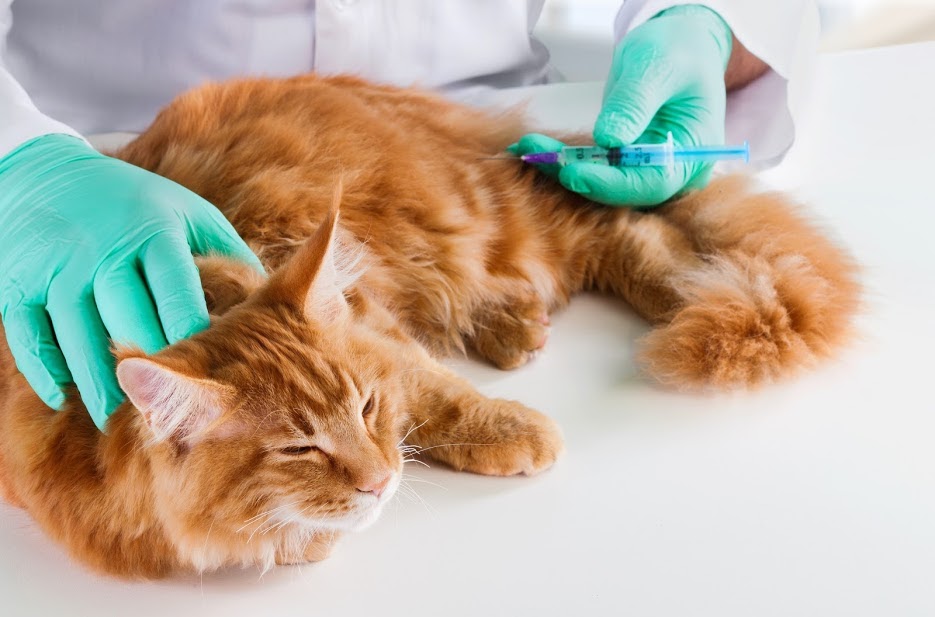
This is given under the skin at the back of the neck and is well tolerated by the vast majority of cats. Most adult cats that received the full booster series of vaccines as kittens should be re-vaccinated every one to three years based on a lifestyle risk assessment. Rabies injections used to be given yearly until a longer lasting vaccination was developed making the booster only needed once every three years. Most times these boosters are only required on a yearly basis. Healthy indoor cats can wait for up to three years between boosters due to their lower-risk lifestyle.
 Source: burkeanimal.com
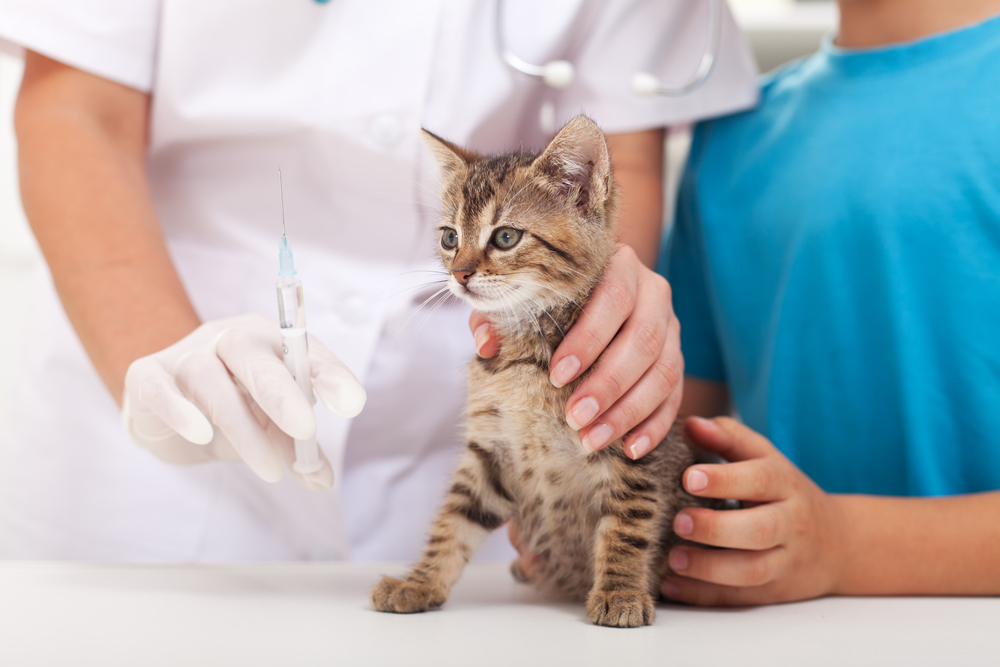
If the cat doesnt go outside no further vaccination is needed unless they are at higher risk. If you have an indoor cat that doesnt have any contact with other cats or animals outside your house you should discuss with your vet if all the usual cat vaccinations will be required. This immunity may last even longer but at this time the. In the past veterinarians recommended booster vaccinations for cats on a yearly basis. One dose will probably immunize cats longer than one year but legally if the cat does bite someone even a day beyond a year that cat is not considered protected adds Dr.
This site is an open community for users to submit their favorite wallpapers on the internet, all images or pictures in this website are for personal wallpaper use only, it is stricly prohibited to use this wallpaper for commercial purposes, if you are the author and find this image is shared without your permission, please kindly raise a DMCA report to Us.
If you find this site value, please support us by sharing this posts to your favorite social media accounts like Facebook, Instagram and so on or you can also bookmark this blog page with the title yearly shots for cats by using Ctrl + D for devices a laptop with a Windows operating system or Command + D for laptops with an Apple operating system. If you use a smartphone, you can also use the drawer menu of the browser you are using. Whether it’s a Windows, Mac, iOS or Android operating system, you will still be able to bookmark this website.


