Your Nasal cancer in cats images are ready in this website. Nasal cancer in cats are a topic that is being searched for and liked by netizens now. You can Find and Download the Nasal cancer in cats files here. Download all royalty-free vectors.
If you’re looking for nasal cancer in cats pictures information linked to the nasal cancer in cats interest, you have pay a visit to the ideal site. Our website frequently provides you with suggestions for seeing the maximum quality video and image content, please kindly search and find more informative video articles and graphics that match your interests.
Nasal Cancer In Cats. Long-nosed breeds dolichocephalic and senior dogs are at higher risk. Types of nose and sinus cancer found in cats include. However these tumors may recur locally as can SCC of the eyelids and nasal planum. You may also notice a bulge or bump forming over the bridge of the nose.
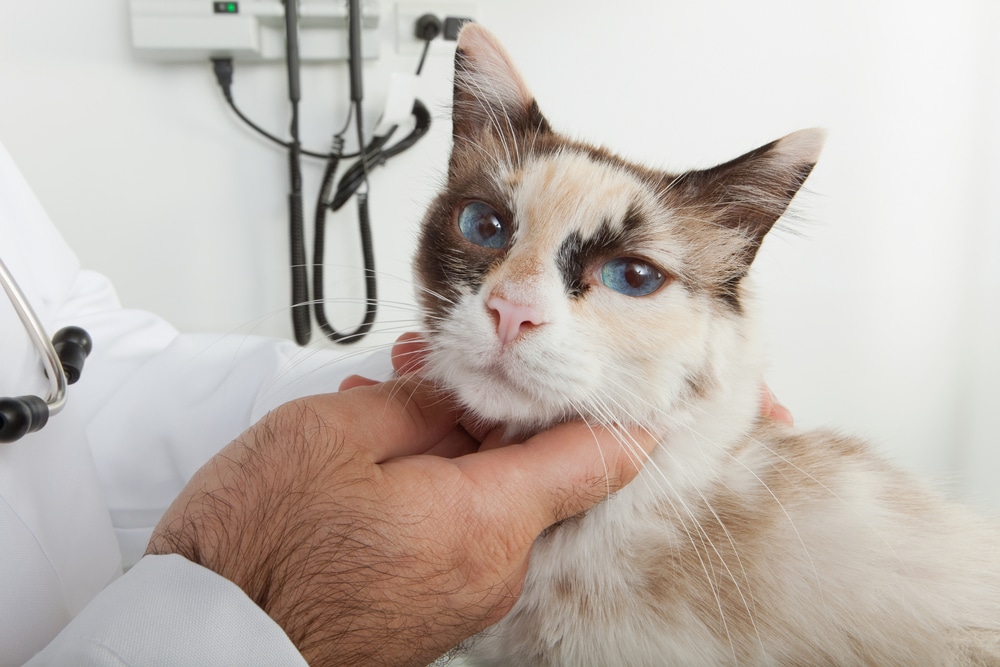 Nose Cancer In Cats Petmd From petmd.com
While there are some cat problems that can be treated without a vet lymphoma will require either surgery radiation or chemotherapy in order to remove it. Nasal tumors are relatively uncommon in veterinary medicine accounting for less than 1 of all feline tumors. Actinically induced SCC in the cat is very sensitive to radiation therapy. Sinus cancer in cats usually occurs as nasal tumors in the nostrils. If your cat has been diagnosed with a nasal tumor knowing more about the disease can help you provide them with a better quality of life. Cancer sinus nasal tumors have formed a small percentage of tumors and cats is less common than nasal cancer in dogs.
How common are nasosinal tumors in cats.
Ad Help your pet cope with symptoms like nausea loss of appetite and energy. Long-nosed breeds dolichocephalic and senior dogs are at higher risk. Life Expectancy Survival and Prognosis Prognosis varies by case but the median survival time for cats after advanced radiation therapy ranges from 6-18 months depending on the type of cancer and how early it was treated. Lymphoma is the most common neoplasm in cats accounting for approximately 90 of all hematopoietic malignancies. To date no specific breed or sex predisposition has been noted. Visit your local Small Door today for a new kind of personalized veterinary experience.
 Source: pinterest.com
In cats there is an indication that inflammation of the mucous membrane lining the nose or one of the paranasal sinuses may be the trigger that leads to a growth in the nasal cavity. The two most common types of nasal tumors in cats are lymphoma cancer of the lymph tissue and carcinoma cancer of epithelial tissue. If your cat has been diagnosed with a nasal tumor knowing more about the disease can help you provide them with a better quality of life. Excessive or frequent sneezing Nasal discharge Nosebleeds Snoring in a cat that has always been a quiet sleeper Visible nasal swelling or facial deformity Pawing at face or rubbing the face on objects Weight loss. Chemotherapy is reasonably effective mode of treatment for nasal lymphoma but cats infected with feline leukemia are at a risk of systemic failure.
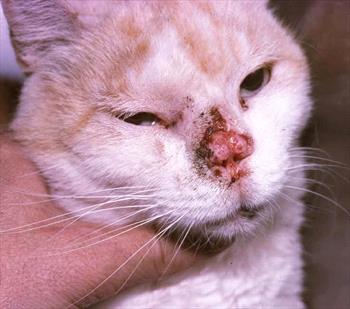 Source: veterinarypartner.vin.com
Middle to older aged cats are most commonly diagnosed with nasal cancer. Cat Nasal Cancer. These symptoms usually go away in in the course of several weeks. Sinus cancer in cats usually occurs as nasal tumors in the nostrils. Resection of the pinna for aural SCC is effective in the majority of cats if adequate resection is achieved.
 Source: pinterest.com
A CT scan and biopsy are required to diagnose nasal lymphoma. These symptoms usually go away in in the course of several weeks. Living and Management. Ad Help your pet cope with symptoms like nausea loss of appetite and energy. In cats the most common nasal tumor is nasal lymphoma.
 Source: pinterest.com
Ad Help your pet cope with symptoms like nausea loss of appetite and energy. Cats with nasal lymphoma often develop chronic nasal discharge sneezing and loud breathing. Symptoms of nasal cancer in cats can remain concealed for as long as five years until. Squamous cell carcinoma SCC is a skin cancer that if caught in its early stage will most likely be harmless and easily treated. In cats the most common nasal tumor is nasal lymphoma.
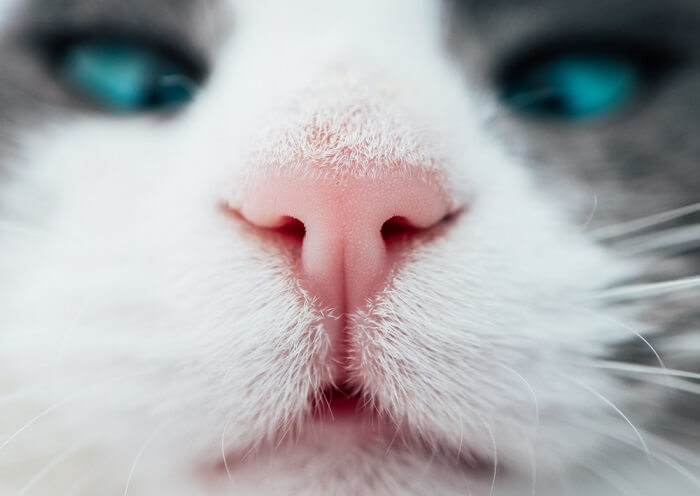 Source: allaboutcats.com
5-10 NLSA in the cat often represents a therapeutic quandary because currently no standard of care exists. In general the nasosinal tumors are only locally invasive with a low potential to metastasize spread to other organs. It is common for a cat that has been affected with a squamous cell carcinoma of the nose or sinuses to have nasal discharge and inflammation after surgery and radiation therapy. Long-nosed breeds dolichocephalic and senior dogs are at higher risk. Cats with nasal lymphoma often develop chronic nasal discharge sneezing and loud breathing.
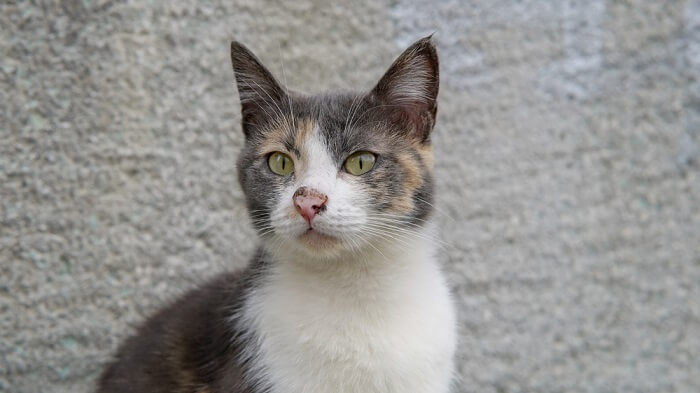 Source: allaboutcats.com
Living and Management. In addition about 20 of cats with nasal. Long-nosed breeds dolichocephalic and senior dogs are at higher risk. Squamous cell carcinoma SCC is a skin cancer that if caught in its early stage will most likely be harmless and easily treated. To date no specific breed or sex predisposition has been noted.
 Source: researchgate.net
Ad Help your pet cope with symptoms like nausea loss of appetite and energy. Life Expectancy Survival and Prognosis Prognosis varies by case but the median survival time for cats after advanced radiation therapy ranges from 6-18 months depending on the type of cancer and how early it was treated. Nasal passage cancer generally develops very insidiously in older pets. Visit your local Small Door today for a new kind of personalized veterinary experience. To date no specific breed or sex predisposition has been noted.
 Source:
It is common for a cat that has been affected with a squamous cell carcinoma of the nose or sinuses to have nasal discharge and inflammation after surgery and radiation therapy. One or both eyes may become red or painful. Cats with nasal lymphoma often develop chronic nasal discharge sneezing and loud breathing. If your cat has been diagnosed with a nasal tumor knowing more about the disease can help you provide them with a better quality of life. The average age of cats at diagnosis is 10 years however cats as young as 3 years have been diagnosed with this type of cancer.
 Source: pinterest.com
1-5 Nasal lymphoma NLSA however is a relatively rare manifestation accounting for. Life Expectancy Survival and Prognosis Prognosis varies by case but the median survival time for cats after advanced radiation therapy ranges from 6-18 months depending on the type of cancer and how early it was treated. The two most common types of nasal tumors in cats are lymphoma cancer of the lymph tissue and carcinoma cancer of epithelial tissue. Cancer sinus nasal tumors have formed a small percentage of tumors and cats is less common than nasal cancer in dogs. 5-10 NLSA in the cat often represents a therapeutic quandary because currently no standard of care exists.
 Source: researchgate.net
Clinical signs of nasal cancer may include. In general the nasosinal tumors are only locally invasive with a low potential to metastasize spread to other organs. Middle to older aged cats are most commonly diagnosed with nasal cancer. Benign nasal tumors include adenoma 19 of epithelial tumors in cats basal cell tumor fibroma and neurofibroma. If the skin eruptions go unnoticed however the cancer can progress spread to other parts of the body and ultimately prove fatal.
 Source: pinterest.com
Skin tumors in general are the second most common type of feline cancer diagnosed at the Cornell University. Types of nose and sinus cancer found in cats include. In cats the most common nasal tumor is nasal lymphoma. Sinus cancer in cats usually occurs as nasal tumors in the nostrils. Clinical signs of nasal cancer may include.
 Source: lapoflove.com
Lymphoma is the most common neoplasm in cats accounting for approximately 90 of all hematopoietic malignancies. Life Expectancy Survival and Prognosis Prognosis varies by case but the median survival time for cats after advanced radiation therapy ranges from 6-18 months depending on the type of cancer and how early it was treated. How is nasal lymphoma diagnosed. How common are nasosinal tumors in cats. Skin tumors in general are the second most common type of feline cancer diagnosed at the Cornell University.
 Source: franklinvets.co.nz
How is nasal lymphoma diagnosed. Sinus cancer isnt a very common cancer and its symptoms can remain hidden for as long as five years while the disease progresses. Living and Management. Nasosinal cancer is less common in cats compared to dogs. You may also notice a bulge or bump forming over the bridge of the nose.
 Source: pinterest.com
Sinus cancer in cats usually occurs as nasal tumors in the nostrils. Sinus cancer isnt a very common cancer and its symptoms can remain hidden for as long as five years while the disease progresses. Skin tumors in general are the second most common type of feline cancer diagnosed at the Cornell University. How common are nasosinal tumors in cats. It is rare in cats and not common in dogs.
Source: petmd.com
Excessive or frequent sneezing Nasal discharge Nosebleeds Snoring in a cat that has always been a quiet sleeper Visible nasal swelling or facial deformity Pawing at face or rubbing the face on objects Weight loss. In cats the most common nasal tumor is nasal lymphoma. A nasal tumor is a type of cancer that results from the disorganized uncontrolled production of cells that line the nasal airway. A CT scan and biopsy are required to diagnose nasal lymphoma. Nasal passage cancer generally develops very insidiously in older pets.
 Source: vetfocus.royalcanin.com
A CT scan and biopsy are required to diagnose nasal lymphoma. To date no specific breed or sex predisposition has been noted. These symptoms usually go away in in the course of several weeks. In cats the most common nasal tumor is nasal lymphoma. For owners who suspect their cat may have nasal lymphoma be aware that theres no definitive way to diagnose a furry friend at home.
 Source: researchgate.net
One or both eyes may become red or painful. As the cancer progresses it may spread to the cats sinuses. Life Expectancy Survival and Prognosis Prognosis varies by case but the median survival time for cats after advanced radiation therapy ranges from 6-18 months depending on the type of cancer and how early it was treated. 5-10 NLSA in the cat often represents a therapeutic quandary because currently no standard of care exists. Adenoma Basal cell tumor Carcinoma Chondrosarcoma Fibroma Lymphoma Melanoma Meningioma Plasmacytoma Sarcoma.
 Source: veteriankey.com
Chemotherapy is reasonably effective mode of treatment for nasal lymphoma but cats infected with feline leukemia are at a risk of systemic failure. Long-nosed breeds dolichocephalic and senior dogs are at higher risk. Lymphoma is the most common neoplasm in cats accounting for approximately 90 of all hematopoietic malignancies. In general the nasosinal tumors are only locally invasive with a low potential to metastasize spread to other organs. The average age of cats at diagnosis is 10 years however cats as young as 3 years have been diagnosed with this type of cancer.
This site is an open community for users to submit their favorite wallpapers on the internet, all images or pictures in this website are for personal wallpaper use only, it is stricly prohibited to use this wallpaper for commercial purposes, if you are the author and find this image is shared without your permission, please kindly raise a DMCA report to Us.
If you find this site good, please support us by sharing this posts to your preference social media accounts like Facebook, Instagram and so on or you can also save this blog page with the title nasal cancer in cats by using Ctrl + D for devices a laptop with a Windows operating system or Command + D for laptops with an Apple operating system. If you use a smartphone, you can also use the drawer menu of the browser you are using. Whether it’s a Windows, Mac, iOS or Android operating system, you will still be able to bookmark this website.


