Your Crown amputation in cats images are ready in this website. Crown amputation in cats are a topic that is being searched for and liked by netizens today. You can Download the Crown amputation in cats files here. Get all royalty-free images.
If you’re looking for crown amputation in cats pictures information connected with to the crown amputation in cats topic, you have come to the ideal site. Our site always gives you hints for downloading the maximum quality video and picture content, please kindly search and locate more informative video content and images that match your interests.
Crown Amputation In Cats. Type 2 tooth resorptive lesions can be treated with a crown amputation which removes the diseased portion of the tooth but leaves the already resorbing roots. Due to the aggressive and. With Type 1 tooth resorption both the crown and root need to be extracted. Conditions where crown amputation of Type II tooth resorption are not possible based upon radiographs are periapical lucencies or osteomyelitis both are very uncommon in cats.
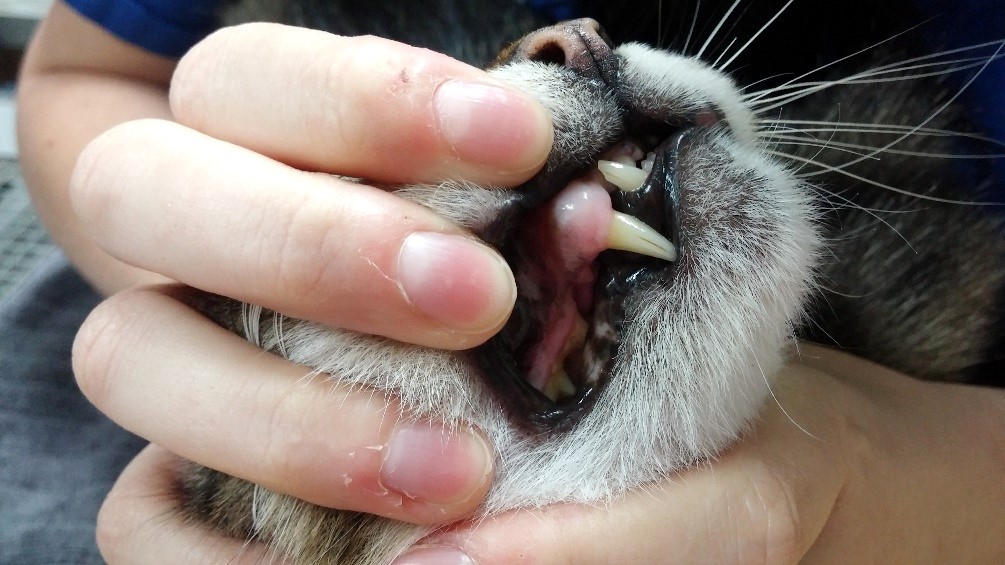 Leo The Cat North Coast Veterinary Specialist From ncvs.net.au
Cats with associated periodontitis or stomatitis are not candidates for crown amputation. The condition is less common in dogs but is certainly not considered rare. Crown amputation with intentional root retention for advanced feline resorptive lesions–a clinical study. After clinical and radiographic evaluation confirms that the tooth is a suitable candidate crown amputation is initiated by creating a small gingival flap around the target tooth. Conditions where crown amputation of Type II tooth resorption are not possible based upon radiographs are periapical lucencies or osteomyelitis both are very uncommon in cats. Due to the aggressive and.
With Type 1 tooth resorption both the crown and root need to be extracted.
Whole tooth extraction is generally considered to be the treatment of choice for teeth with advanced. Dental radiography is essential for accurate diagnosis and treatment planning Figures 5A-5C. They will do anything to hide pain. Three out of every four cats over the age of five are affected by tooth resorption. With Type 2 tooth resorption a technique. Type 2 tooth resorptive lesions can be treated with a crown amputation which removes the diseased portion of the tooth but leaves the already resorbing roots.
 Source:
Conditions where crown amputation of Type II tooth resorption are not possible based upon radiographs are periapical lucencies or osteomyelitis both are very uncommon in cats. The gingiva is slightly elevated using a small periosteal elevator. Over time the gum tissue will cover the underlying area. Cats with associated periodontitis or stomatitis are not candidates for crown amputation. Crown amputation with intentional root retention for dental resorptive lesions in cats J Vet Dent.
 Source: im3vet.eu
Type 2 tooth resorptive lesions can be treated with a crown amputation which removes the diseased portion of the tooth but leaves the already resorbing roots. The root resorption was a bit too advanced to pull the teeth showed by xrays so the vet did a careful crown amputation and sewed the gums back together standard procedure if pulling the. With Type 2 tooth resorption a technique. Over time if the crown of the. Due to the aggressive and.
 Source: animaldental.com.au
Dental radiography is essential for accurate diagnosis and treatment planning Figures 5A-5C. Tooth resorption in cats is commonly external tooth resorption starting on the root surface resulting in focal tooth resorption where the crown meets the root often referred to as Type 1. Three out of every four cats over the age of five are affected by tooth resorption. Crown amputation with intentional root retention for dental resorptive lesions in cats J Vet Dent. Due to the aggressive and.
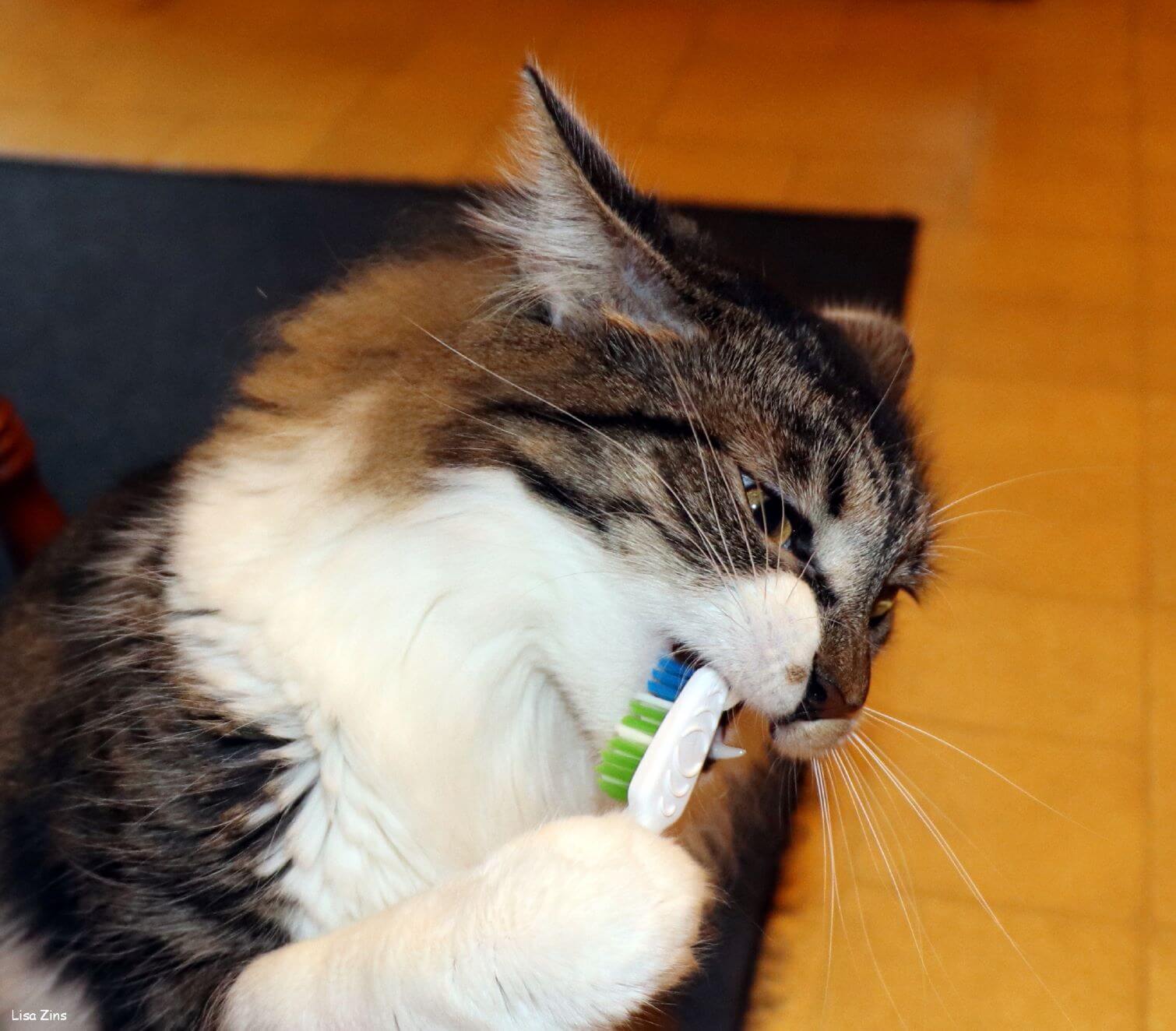 Source: hawthorneastvet.com.au
Dental radiography is essential for accurate diagnosis and treatment planning Figures 5A-5C. Crown amputation with intentional root retention for dental resorptive lesions in cats J Vet Dent. Treatment for Type II tooth resorption often involves coronectomy crown amputation. Cats and dogs share one big thing in common. This procedure may be used in cats with FORL in which the crown is removed to the level of the gum.
 Source: pinterest.com
The procedure of crown amputation is quick and simple. The condition is less common in dogs but is certainly not considered rare. Tooth resorption in cats is commonly external tooth resorption starting on the root surface resulting in focal tooth resorption where the crown meets the root often referred to as Type 1. Crown Amputation in a Cat Video by Dr. The gingiva is slightly elevated using a small periosteal elevator.
 Source: in.pinterest.com
This video demonstrates the surgical approach to crown amputation in a cat with feline tooth resorption for a maxillary canine tooth. Crown amputation with intentional root retention for dental resorptive lesions in cats. Crown amputation with intentional root retention for advanced feline resorptive lesions–a clinical study. The gingiva is reflected with the flat end of a Pritchard PR4 while the crown is. In Type II tooth resorption the tooth root is being replaced with bone.
 Source: todaysveterinarypractice.com
With Type 1 tooth resorption both the crown and root need to be extracted. This video demonstrates the surgical approach to crown amputation in a cat with feline tooth resorption for a maxillary canine tooth. Due to the aggressive and. Crown amputation with intentional root retention for dental resorptive lesions in cats J Vet Dent. The procedure of crown amputation is quick and simple.
 Source: in.pinterest.com
With Type 2 tooth resorption a technique. Conditions where crown amputation of Type II tooth resorption are not possible based upon radiographs are periapical lucencies or osteomyelitis both are very uncommon in cats. Crown amputation with intentional root retention for dental resorptive lesions in cats. This procedure may be used in cats with FORL in which the crown is removed to the level of the gum. The procedure of crown amputation is quick and simple.
 Source: iloveveterinary.com
Crown amputation with intentional root retention for dental resorptive lesions in cats. This video demonstrates the surgical approach to crown amputation in a cat with feline tooth resorption for a maxillary canine tooth. Crown amputation has been suggested as an acceptable treatment option for advanced type 2 lesions because these lesions are being completely resorbed and have no identifiable root canal. Due to the aggressive and. Three out of every four cats over the age of five are affected by tooth resorption.
 Source: pinterest.com
Due to the aggressive and. After clinical and radiographic evaluation confirms that the tooth is a suitable candidate crown amputation is initiated by creating a small gingival flap around the target tooth. The condition is less common in dogs but is certainly not considered rare. In Type II tooth resorption the tooth root is being replaced with bone. Crown amputation has been suggested as an acceptable treatment option for advanced type 2 lesions because these lesions are being completely resorbed and have no identifiable root canal.
 Source: youtube.com
Over time the gum tissue will cover the underlying area. This video demonstrates the surgical approach to crown amputation in a cat with feline tooth resorption for a maxillary canine tooth. Treatment for Type II tooth resorption often involves coronectomy crown amputation. In Type II tooth resorption the tooth root is being replaced with bone. The root resorption was a bit too advanced to pull the teeth showed by xrays so the vet did a careful crown amputation and sewed the gums back together standard procedure if pulling the.
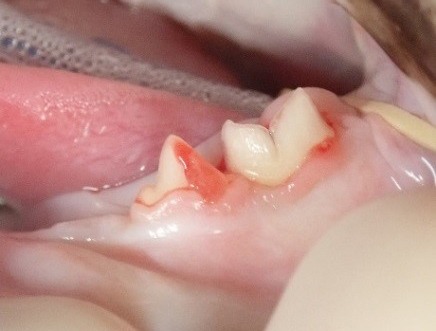 Source: mspca.org
This video demonstrates the surgical approach to crown amputation in a cat with feline tooth resorption for a maxillary canine tooth. Crown amputation with intentional root retention for advanced feline resorptive lesions–a clinical study. Crown amputation with intentional root retention for dental resorptive lesions in cats J Vet Dent. Three out of every four cats over the age of five are affected by tooth resorption. The condition is less common in dogs but is certainly not considered rare.
 Source: dvm360.com
The root resorption was a bit too advanced to pull the teeth showed by xrays so the vet did a careful crown amputation and sewed the gums back together standard procedure if pulling the. In our ongoing What to Expect series today were discussing post-amputation pain in cats. Due to the aggressive and. The gingiva is reflected with the flat end of a Pritchard PR4 while the crown is. Cats with associated periodontitis or stomatitis are not candidates for crown amputation.
 Source: ar.pinterest.com
Cats and dogs share one big thing in common. The condition is less common in dogs but is certainly not considered rare. The gingiva is reflected with the flat end of a Pritchard PR4 while the crown is. Crown amputation with intentional root retention for dental resorptive lesions in cats. This procedure may be used in cats with FORL in which the crown is removed to the level of the gum.
 Source: todaysveterinarypractice.com
The condition is less common in dogs but is certainly not considered rare. The gingiva is slightly elevated using a small periosteal elevator. The condition is less common in dogs but is certainly not considered rare. Treatment for Type II tooth resorption often involves coronectomy crown amputation. Crown amputation with intentional root retention for advanced feline resorptive lesions–a clinical study.
Source: ncvs.net.au
The gingiva is reflected with the flat end of a Pritchard PR4 while the crown is. Crown amputation with intentional root retention for advanced feline resorptive lesions–a clinical study. Crown amputation with intentional root retention for dental resorptive lesions in cats. The condition is less common in dogs but is certainly not considered rare. Cats with associated periodontitis or stomatitis are not candidates for crown amputation.
 Source: youtube.com
The procedure of crown amputation is quick and simple. The gingiva is slightly elevated using a small periosteal elevator. This procedure may be used in cats with FORL in which the crown is removed to the level of the gum. The root resorption was a bit too advanced to pull the teeth showed by xrays so the vet did a careful crown amputation and sewed the gums back together standard procedure if pulling the. The condition is less common in dogs but is certainly not considered rare.
 Source: za.pinterest.com
Treatment for Type II tooth resorption often involves coronectomy crown amputation. Cats and dogs share one big thing in common. The gingiva is reflected with the flat end of a Pritchard PR4 while the crown is. In Type II tooth resorption the tooth root is being replaced with bone. Conditions where crown amputation of Type II tooth resorption are not possible based upon radiographs are periapical lucencies or osteomyelitis both are very uncommon in cats.
This site is an open community for users to do sharing their favorite wallpapers on the internet, all images or pictures in this website are for personal wallpaper use only, it is stricly prohibited to use this wallpaper for commercial purposes, if you are the author and find this image is shared without your permission, please kindly raise a DMCA report to Us.
If you find this site value, please support us by sharing this posts to your favorite social media accounts like Facebook, Instagram and so on or you can also save this blog page with the title crown amputation in cats by using Ctrl + D for devices a laptop with a Windows operating system or Command + D for laptops with an Apple operating system. If you use a smartphone, you can also use the drawer menu of the browser you are using. Whether it’s a Windows, Mac, iOS or Android operating system, you will still be able to bookmark this website.


