Your Blood clots in cats back legs images are available. Blood clots in cats back legs are a topic that is being searched for and liked by netizens now. You can Download the Blood clots in cats back legs files here. Download all royalty-free vectors.
If you’re searching for blood clots in cats back legs images information related to the blood clots in cats back legs keyword, you have visit the ideal site. Our site always gives you hints for seeing the maximum quality video and picture content, please kindly search and find more enlightening video content and graphics that fit your interests.
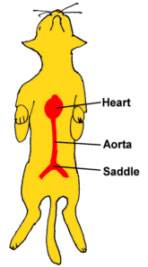
Blood Clots In Cats Back Legs. Benson explains A blood clot dislodges from somewhere in the body then lodges at the pelvic end of the aorta where the blood vessels split to go down the legs an area known as the saddle resulting in lack of blood flow to the legs. In this case a thrombus or a blood clot lodges at the aortic bifurcation where the vessel splits into the two arteries that supply the rear limbs. Symptoms appear suddenly and include. Spotting the Signs of a Blood Clot Download Article 1.
 Feline Arterial Thromboembolism Cvca Cardiac Care For Pets From cvcavets.com
Spotting the Signs of a Blood Clot Download Article 1. The feet are usually cold in the affected legs due to the fact that the blood clot is. Cats with partial or total ATE usually are taken to the veterinarian because the cat is unable to use one or both the rear legs. Ticks bites can release neurotoxins into the cat resulting in nervous system malfunction and paralysis. The result in the case of a saddle thrombus an embolism at the base of the aorta is that it cuts off the blood supplymostly to the back legs which is an extremely painful condition. Our last cat had chronic heart disease HCM and several bouts of CHF - my greatest fear was losing him to a saddle thrombosis.
If your cats hind legs suddenly stopped working this can sometimes be a sign of a blood clot infection or stroke.
Symptoms appear suddenly and include. When it gets stuck its now called an embolism. In many cases of blood clots in cats the clot eliminates blood flow to the back legs. Thrombosis where the aorta joins with iliac arteries results in paralysis of both legs. An aortic thromboembolism is a blood clot that generally forms in the heart and then moves down the large artery aorta that provides blood to the abdomen and hind legs of the cat. Our last cat had chronic heart disease HCM and several bouts of CHF - my greatest fear was losing him to a saddle thrombosis.
 Source: petmd.com
The feet are usually cold in the affected legs due to the fact that the blood clot is. However what is far more common is a disease called aortic thromboembolism ATE also known as a saddle thrombus. To diagnose and treat blood clots in your cat check if it is having troubling moving its legs or if its nail beds are bluish or pale as this could signal a lack of blood flow. In many cases of blood clots in cats the clot eliminates blood flow to the back legs. The vet ran multiple tests and performed scans to determine that it was a blood clot.
 Source: pinterest.com
Benson explains A blood clot dislodges from somewhere in the body then lodges at the pelvic end of the aorta where the blood vessels split to go down the legs an area known as the saddle resulting in lack of blood flow to the legs. There may be sudden death usually associated with irregular heartbeats secondary to increased levels of potassium in the blood. Cats with some forms of heart disease are at risk for developing blood clots. Spotting the Signs of a Blood Clot Download Article 1. Symptoms appear suddenly and include.
 Source: pinterest.com
The most common blockage point is in the lower abdomen where the aorta the main blood vessel leaving the heart forms two branches going to the back legs see Rough Diagram. Our last cat had chronic heart disease HCM and several bouts of CHF - my greatest fear was losing him to a saddle thrombosis. This spot is known as the saddle and it is common for the blood clot to come to rest at the top of that point leading to the term saddle thrombus. Spotting the Signs of a Blood Clot Download Article 1. Aortic thromboembolism also known as saddle thrombus occurs when a blood clot cuts off the blood supply to the cats hind legs leaving his two back limbs paralyzed.
 Source: petmd.com
Thrombosis where the aorta joins with iliac arteries results in paralysis of both legs. You should also look for other symptoms such as vomiting difficulty breathing crying and anxiety. The vet ran multiple tests and performed scans to determine that it was a blood clot. This condition is usually a complication of heart disease or hypertrophic cardiomyopathy although other health conditions may contribute to it as well. Cats with partial or total ATE usually are taken to the veterinarian because the cat is unable to use one or both the rear legs.
 Source: petmd.com
Ad Discover all of the most common health conditions and illnesses in cats today. The feet are usually cold in the affected legs due to the fact that the blood clot is. There may be sudden death usually associated with irregular heartbeats secondary to increased levels of potassium in the blood. Notice if your cat is having trouble walking or moving its legs. Thrombosis in iliac artery of either leg can result in paralysis of that leg specifically Tick bite.
 Source: petmd.com
If blood supply to the legs are not restored quickly permanent muscular abnormalities may develop in the affected limb. Even with treatment clots can again develop and block the aorta. The most common blockage point is in the lower abdomen where the aorta the main blood vessel leaving the heart forms two branches going to the back legs see Rough Diagram. In this case a thrombus or a blood clot lodges at the aortic bifurcation where the vessel splits into the two arteries that supply the rear limbs. Severe pain crying fast breathing hiding Being unable to stand dragging one or both back legs occasionally a front leg Licking or chewing the affected leg s Firm muscles in the affected leg s Affected leg s cold to the touch Pale foot-pads in the.
 Source: pt.pinterest.com
An aortic thromboembolism is a blood clot that generally forms in the heart and then moves down the large artery aorta that provides blood to the abdomen and hind legs of the cat. There may be permanent nervous system damage or the hind leg muscles may be adversely affected. Diabetes organ failure and neurological problems can cause the gradual weakening of a cats rear legs. Unfortunately the prognosis for most cats with aortic thromboembolism is not good. Cats with partial or total ATE usually are taken to the veterinarian because the cat is unable to use one or both the rear legs.
 Source: uk.pinterest.com
A thrombus is a blood clot which can be common in cats with heart disease. Look for the signs of lack. There may be permanent nervous system damage or the hind leg muscles may be adversely affected. Benson explains A blood clot dislodges from somewhere in the body then lodges at the pelvic end of the aorta where the blood vessels split to go down the legs an area known as the saddle resulting in lack of blood flow to the legs. The vet ran multiple tests and performed scans to determine that it was a blood clot.
Source: cvcavets.com
The feet are usually cold in the affected legs due to the fact that the blood clot is. There is a high rate of recurrence of blood clot formation. If this supply is suddenly blocked a cat can become paralysed on its back legs. There may be permanent nervous system damage or the hind leg muscles may be adversely affected. This spot is known as the saddle and it is common for the blood clot to come to rest at the top of that point leading to the term saddle thrombus.
 Source: cvcavets.com
The result in the case of a saddle thrombus an embolism at the base of the aorta is that it cuts off the blood supplymostly to the back legs which is an extremely painful condition. When it gets stuck its now called an embolism. Severe pain crying fast breathing hiding Being unable to stand dragging one or both back legs occasionally a front leg Licking or chewing the affected leg s Firm muscles in the affected leg s Affected leg s cold to the touch Pale foot-pads in the. Even with treatment clots can again develop and block the aorta. A thrombus is a blood clot which can be common in cats with heart disease.
 Source: vin.com
Thrombosis where the aorta joins with iliac arteries results in paralysis of both legs. This is where a blood clot blocks the descending aorta leading from the heart the descending aorta supplies blood to the entire back end of the cat. Unfortunately the prognosis for most cats with aortic thromboembolism is not good. Cats with partial or total ATE usually are taken to the veterinarian because the cat is unable to use one or both the rear legs. Saddle Thrombus Can Cause Sudden Back Leg Weakness in Older Cats.
 Source: pinterest.com
In this case a thrombus or a blood clot lodges at the aortic bifurcation where the vessel splits into the two arteries that supply the rear limbs. Cats typically show loss of use of one or both back legs sometimes it can affect the front legs or internal organs but this is not so common dragging the legs and usually howling in pain. If this supply is suddenly blocked a cat can become paralysed on its back legs. If your cats hind legs suddenly stopped working this can sometimes be a sign of a blood clot infection or stroke. Even with treatment clots can again develop and block the aorta.
 Source: pinterest.com
In this case a thrombus or a blood clot lodges at the aortic bifurcation where the vessel splits into the two arteries that supply the rear limbs. Typically the blood clot forms in the heart and then moves down the aorta the largest artery in the body which provides blood to the abdomen and rear legs of the cat. Spotting the Signs of a Blood Clot Download Article 1. The most common blockage point is in the lower abdomen where the aorta the main blood vessel leaving the heart forms two branches going to the back legs see Rough Diagram. The result in the case of a saddle thrombus an embolism at the base of the aorta is that it cuts off the blood supplymostly to the back legs which is an extremely painful condition.
 Source: pinterest.com
Ticks bites can release neurotoxins into the cat resulting in nervous system malfunction and paralysis. Our last cat had chronic heart disease HCM and several bouts of CHF - my greatest fear was losing him to a saddle thrombosis. There may be permanent nervous system damage or the hind leg muscles may be adversely affected. Cats are good at hiding the fact that theyre in pain. The vet ran multiple tests and performed scans to determine that it was a blood clot.
 Source: petmd.com
Cats with partial or total ATE usually are taken to the veterinarian because the cat is unable to use one or both the rear legs. This spot is known as the saddle and it is common for the blood clot to come to rest at the top of that point leading to the term saddle thrombus. Reveal all of the important health information regarding these feline illnesses today. To diagnose and treat blood clots in your cat check if it is having troubling moving its legs or if its nail beds are bluish or pale as this could signal a lack of blood flow. Notice if your cat is having trouble walking or moving its legs.
 Source: uk.pinterest.com
Cats typically show loss of use of one or both back legs sometimes it can affect the front legs or internal organs but this is not so common dragging the legs and usually howling in pain. Severe pain crying fast breathing hiding Being unable to stand dragging one or both back legs occasionally a front leg Licking or chewing the affected leg s Firm muscles in the affected leg s Affected leg s cold to the touch Pale foot-pads in the. There may be permanent nervous system damage or the hind leg muscles may be adversely affected. The cats circulatory system is quite similar to that of humans. The feet are usually cold in the affected legs due to the fact that the blood clot is.
 Source: pinterest.com
In this case a thrombus or a blood clot lodges at the aortic bifurcation where the vessel splits into the two arteries that supply the rear limbs. If your cats hind legs suddenly stopped working this can sometimes be a sign of a blood clot infection or stroke. Benson explains A blood clot dislodges from somewhere in the body then lodges at the pelvic end of the aorta where the blood vessels split to go down the legs an area known as the saddle resulting in lack of blood flow to the legs. You didnt let Tabby down but gave him all the love and good care in the world then let him go peacefully in order to spare him fear and pain. There may be sudden death usually associated with irregular heartbeats secondary to increased levels of potassium in the blood.
 Source: in.pinterest.com
If this supply is suddenly blocked a cat can become paralysed on its back legs. Cats are good at hiding the fact that theyre in pain. Look for the signs of lack. There is a high rate of recurrence of blood clot formation. Typically the blood clot forms in the heart and then moves down the aorta the largest artery in the body which provides blood to the abdomen and rear legs of the cat.
This site is an open community for users to share their favorite wallpapers on the internet, all images or pictures in this website are for personal wallpaper use only, it is stricly prohibited to use this wallpaper for commercial purposes, if you are the author and find this image is shared without your permission, please kindly raise a DMCA report to Us.
If you find this site beneficial, please support us by sharing this posts to your own social media accounts like Facebook, Instagram and so on or you can also save this blog page with the title blood clots in cats back legs by using Ctrl + D for devices a laptop with a Windows operating system or Command + D for laptops with an Apple operating system. If you use a smartphone, you can also use the drawer menu of the browser you are using. Whether it’s a Windows, Mac, iOS or Android operating system, you will still be able to bookmark this website.


